
Seine-Port, in the Seine-et-Marne area south of Paris, with a population of fewer than 2,000 people, last weekend voted yes in a referendum to restrict smartphone use in public, banning adults and children from scrolling on their devices while walking down the street, while sitting with others on a park bench, while in shops, cafes or eating in restaurants and while parents wait for their children in front of the school gates. Those who might check their phone’s map when lost are instead being encouraged to ask for directions.
— from Fighting the smartphone ‘invasion’: the French village that voted to ban scrolling in public
Imagine if this policy would be adopted everywhere else in the world.
Can you imagine yourself going outdoors without your smartphone?
When I was forced to use a basic phone (some call it a basic phone or a dumb phone), I felt incapable of doing simple navigation when commuting to new places. While having a smartphone allows me to check my current location and figure out how to get from another, losing this access felt like a handicap, at least for the first few days.
“Those who might check their phone’s map when lost are instead being encouraged to ask for directions.”
It felt daunting to ask for directions because I was used to figuring it out through my phone map. However, since I didn’t have much choice, I learned to adapt to my situation and pushed myself to overcome the unease that goes along with it. I realized that asking people for directions wasn’t so bad after all.
The idea of restricting smartphone use in public spaces may sound extreme. Still, I think the intention is good—reducing screen time and encouraging personal and meaningful connections between people instead of being contented with distant engagements.
From Fighting the smartphone ‘invasion’: the French village that voted to ban scrolling in public:
“I want to preserve public spaces from the smartphone invasion,” said Paul-Petit, the mayor. “It’s not about banning all phones, it’s about proposing that people abstain from getting out their smartphones to scroll social media, play a game or watch videos in public places, which we want to preserve for social life.
But did you know there is a growing movement among Gen Z reverting back from smartphones to the basic ones?
From Gen Z goes retro: Why the younger generation is ditching smartphones for ‘dumb phones:
Another reason why people might be purchasing flip phones is to do a digital detox and cut down on screen time. A digital detox refers to a period of time when a person refrains from using their electronic devices, like smartphones, to focus on social connections in the physical world and reduce stress.
While looking for various kinds of basic/dumb phones beyond Nokia keypads and flip phones, I came across this kind, which looks like an ebook reader and has the slogan “designed to be used as little as possible.”
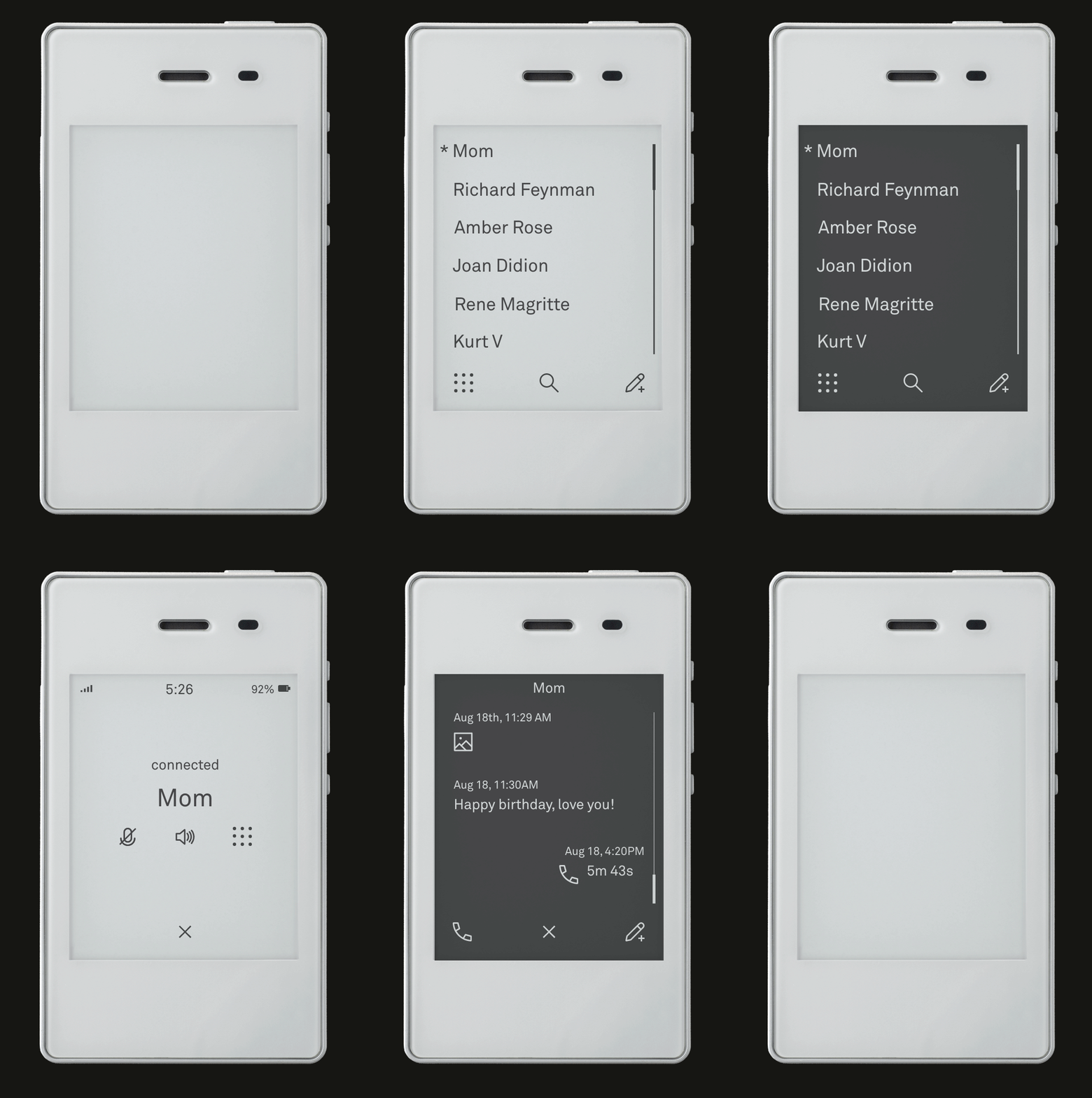
Unfortunately, it isn’t available in the Philippines. If you want to know if it’s available in your region, you can check it here.
 jessa
jessa 