In my previous post, I shared with you a chapter from The Ministry for the Future, which describes a world where the War for the Earth is raging.
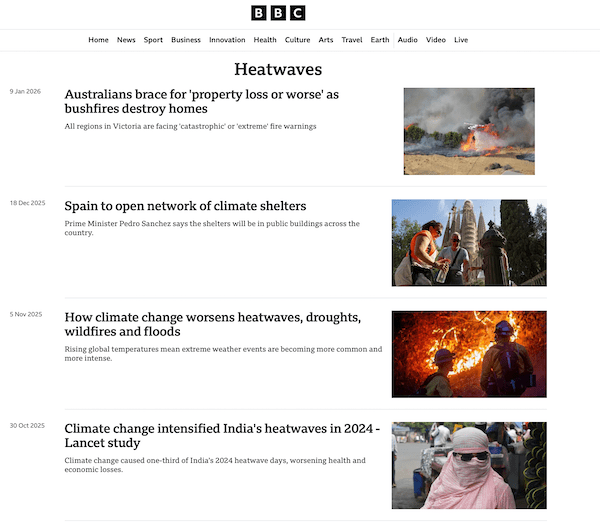
And why was there a war for the earth? Because the extreme weather events (like heatwaves) are amplifying the gap between the rich and the poor, with the poor suffering the most.
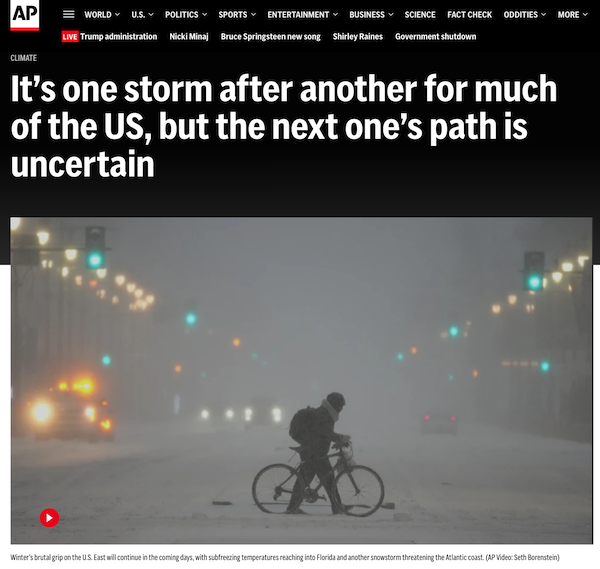
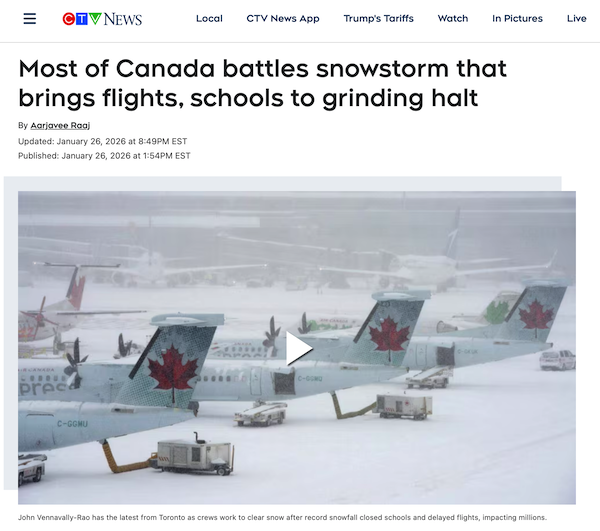
With climate change, our every day just gets from bad to worse. We can only expect: hotter, longer heatwaves; more extreme rain; longer droughts; more fuel for wildfires. The thing is, climate change won’t impact everyone equally.1 And just because you’re not suffering from these extreme weather events doesn’t mean climate change isn’t real.
The Arctic is warming (and just by hearing about icy places getting warmer is really bad news), coastal communities are sinking beneath rising seas, some areas are experiencing severe droughts, precipitation is shifting away from the equator toward the poles (imagine people facing water scarcity and food insecurity as a result!), and hurricanes are intensifying, destabilizing our way of life.
So, that brings me back to the theme of this blog post series.
Can you imagine a world where life as we know it becomes a bygone story we tell our children and their children?
As we experience climate change unevenly, those of us living in relative stability can’t truly understand what others are experiencing. That may be visible in how we respond, scrolling past social media posts of people suffering floods and wildfires (and wars). We may feel empathy, but it quickly fades as we scroll past them, making the feeling of concern ephemeral.
- Center for Science Education, n.d. Climate Change: Regional Impacts [WWW Document]. URL https://scied.ucar.edu/learning-zone/climate-change-impacts/regional (accessed 1.29.26).
↩︎
 jessa
jessa 